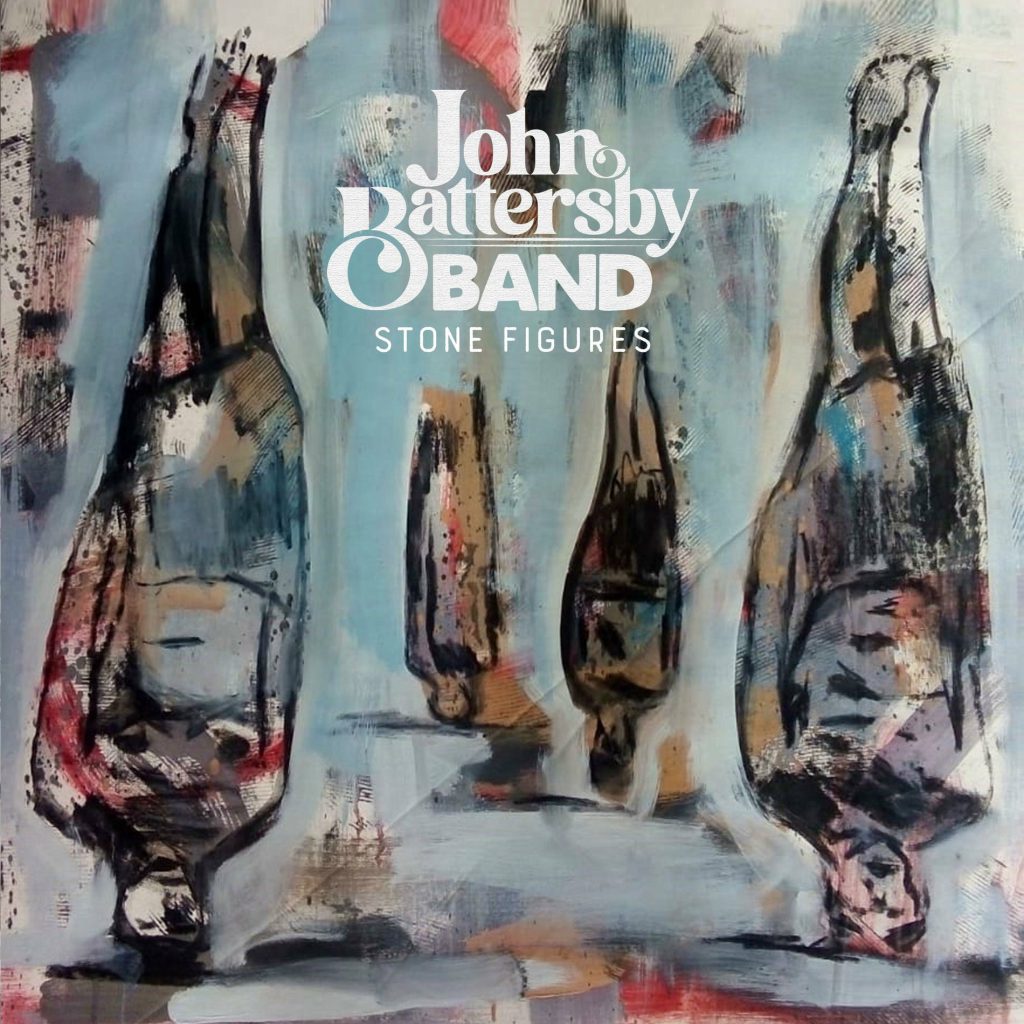
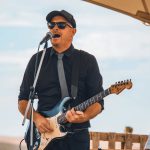

John Battersby discusses his record, Stone Figures.
🎙️ Episode Summary
In this episode, Tim sits down with John Battersby, the frontman of the John Battersby Band, to peel back the layers of their debut record, Stone Figures. After a decade in the South African indie scene, John discusses his return to his rock-and-roll roots, the profound influence of the South African landscape on his songwriting, and the “brotherhood” that defines his new lineup. John Battersby’s transition from the indie-electronic vibes of Red Tape Riot to this grounded, “open-road” rock sound makes for a compelling story.
🎧 Key Takeaways
- Authenticity Over Polish: John’s move to a “rawer” sound was a return to the music of his childhood—the LPs of the 60s and 70s his father played on road trips.
- The Melody Comes First: John reveals that he often sings “gibberish” for a month to perfect a vocal melody before a single lyric is written, ensuring the emotional core of the song is set.
- Geography as Inspiration: From the dust of the Cederberg to the winter fields of Hout Bay, the South African landscape isn’t just a backdrop; it’s a character in the music.
- The Power of a “Body of Work”: Despite the industry’s focus on singles, John emphasizes the importance of launching with a full album to give listeners a world to dive into.
⏱️ Timestamps
- [00:00] Intro & The New Year’s High: John reflects on a high-energy NYE show at Kronendal 1713 and the exhaustion of the East Coast tour.
- [03:22] Shifting Gears: From Red Tape Riot’s indie-electronic pulse to a raw, 70s-inspired rock sound.
- [05:16] Dust on the Breeze: The deep connection between John’s music and the Cederberg Mountains.
- [06:37] The “Gibberish” Method: A look into John’s melody-first songwriting process.
- [08:17] Sitting Back Down: The story behind “Sit Back Down” and the importance of being there for friends.
- [09:14] Building the Band: How a last-minute lineup change led to a permanent brotherhood with Mark, CJ, and Tristan.
- [15:31] Salt of the Earth: Why John chose to stay in South Africa after years in London.
- [17:00] Late Night in June: Nostalgic memories of growing up in Hout Bay.
- [19:01] The Future of the Sound: Recording at Peace of Eden and evolving into a modern rock era for 2026.
- [21:39] Razors for Hands: Unpacking the bittersweet meaning behind one of the album’s most unique titles.
🔗 Links
- Instagram: @jbbandsa
- YouTube: @johnbattersby6467
📃 Transcript
Tim Smal [host]: Hi, everyone, and welcome to the show. My name is Tim Smal, and my guest today is a familiar voice in the South African indie rock scene, but he’s currently exploring a whole new horizon. After years of fronting the high-energy Red Tape Riot, he’s shifted gears towards something more raw, soulful, and deeply rooted in the dust of the Cederberg Mountains. His latest record, Stone Figures, has been described as a clarion call for authenticity and a master class in open-road rock. Ladies and gentlemen, please welcome the architect of that sound, the one and only John Battersby.
John Battersby [guest]: Hey, how’s it going? I loved that description. What did you say? Something about the dust in the mountain?
[00:45] Tim: The dust of the Cederberg Mountains.
[00:47] John: Yes, the dust of the Cederberg Mountains. That sounds fantastic. That’s a really cool inspiration.
[00:54] Tim: You can hear that I’m very excited, especially after catching you guys playing at a New Year’s Eve show at Kronendal 1713 in Hout Bay, which is a new restaurant serving South African braai cuisine. So I had a great New Year’s Eve, and I got to see you guys from the side. Brilliant sound, amazing energy. Tell me more about the show.
[01:12] John: Yeah, it was a great one. We had just come off a whole litany of shows up the East Coast, on our East Coast tour. And yeah, that gig came about, literally about three days before it happened. I went in there for a beer, got to know them and they said they need a band and someone to organize the entertainment for New Year’s Eve. And yeah, the rest is history. We were so tired from tour, we wanted some time to relax and we ended up taking on that extra show. But it actually turned out to be one of the more high energy shows of the season, actually.
[01:45] Tim: Yeah, a fantastic show for sure. And of course, I got to hear all the songs off your debut album Stone Figures, which was amazing, because hearing the songs live is another experience altogether. I have been listening to your record on Tidal, seen as I’m a new subscriber to the platform, which is fantastic because they provide lossless audio, so the record sounds amazing. But to hear all the songs live was just incredible. And I’m glad that you played a lot off the record, right?
[02:12] John: We’ve actually been touring that particular album for the last two years. And besides the four new tracks we released last year, that is pretty much the core of the set still. Yeah, hopefully they sound similar to what they do on the album. I guess we’re one of those kind of bands where we do want it to sound similar. But I think in the last two years, we have added one or two bits and pieces to each track. There are some structural changes to the songs and just some fun bits and pieces. Like every now and then something will come up and we’ll think, “Oh, that sounds cool,” and we’re happy to add that in. So arrangements will probably change a bit, but hopefully the sound is still as raw.
[02:49] Tim: Yeah. Well, talking about your sound, let’s start off by exploring the transition from Red Tape Riot to the John Battersby Band because your album Satisfy from Red Tape Riot, that’s a record that I’m very familiar with. And of course, it’s got the distinctive John Battersby vocal traits on that record. And I’m glad to hear that that unique vocal sound that you have, has carried through to this new project, even though I guess the sound is perhaps a little bit more rock and roll. So tell me a little bit more about the transition from Red Tape Riot to John Battersby Band.
[03:22] John: First of all, I think vocally, I don’t really have much choice. I think I have a tone and that’s the tone. I think obviously when you’re writing more rocky stuff, your voice naturally adjusts a bit. Obviously, the indie stuff is a bit cleaner, whereas newer stuff is a lot more rock-based. But yeah, I grew up on rock and roll. I grew up in bands playing grunge stuff, but the music I grew up on was the music I listened to with my parents on road trips and 60s and 70s rock. But yeah, I went from that in my childhood into grunge era, and then indie electronic sound became a thing. So for 10 years, that’s what I was pushing and playing and enjoying and listening to. And then, yeah, Red Tape Riot stopped playing, and we had about a three-year gap.
And in that three years, I was trying to figure out, I think it was about two years, without even picking up an instrument because I wasn’t quite sure what I wanted to do. And yeah, when I did come back to playing again, I really felt like going and taking it right back to being inspired by the music I grew up on. The Traveling Wilburys and Dire Straits and Rolling Stones and that kind of stuff that my dad used to listen to and all the records and LPs and stuff I had in the house. So that’s how I moved full circle back to rock music. And I think some of those older influences in there, but also I think there’s a bit of 90s, obviously in there and then there’s hints of obviously more current indie, here and there. So yeah, that’s how the sound came about pretty much.
[04:57] Tim: Great. And onto the record Stone Figures, which came out in 2024. If we look at the track list from Stone Figures, it kicks off with Shelter and then the second track Dust on the Breeze, I was hoping to hear more about this track because I believe it’s related to your experiences in the Cederberg Mountains.
[05:16] John: Yeah. So the track is pretty much inspired by holidays in the Cederberg with my dad, which was something we grew up doing as kids. Even the guitar tones even have like a Mark Knopfler sort of sound, that sort of Dire Straits kind of tone to them. Tristan’s guitar work even brings a lot of that out. And yeah, it’s a song that means a lot to me because obviously it was a big moment, my upbringing and probably my favorite place on earth. And inevitable that a song was going to be written about that at some point. And the song actually means even more now, two years later than it did when I actually wrote it. So yeah, it’s a big one for us. It will be in the set for a long time, I think.
[06:00] Tim: Yeah, I enjoyed hearing that one live for sure. And just coming back to your vocals again, I love when listening to your record, your vocals just do this amazing thing where it’s like, you’re not sure what’s coming in the song, right? Because the vocals can start off fairly chilled, but then they really come in hard later on in the song. So I actually think you’ve got quite an amazing vocal range and a way to kind of play with your vocals, if you will, where I think for the listener, it’s a little bit unpredictable. You’re not sure, is this going to be a very loud song or a very relaxed song? But the vocals come in, and even in a three or four minute song can vary quite a lot in terms of the intensity. Would you agree with that analysis?
[06:37] John: I mean, I like the analysis. I like the fact that people do find it unpredictable. I literally just come up with stuff which I think is best for the song and the best melody and sometimes it’s low, sometimes it’s high, sometimes it’s powerful. But the way I write, I don’t really choose like, “Okay, I’m going to do something surprising now or something different.” I’m just going to do what feels right. I write all my vocal melodies before I have lyrics. We are rocking a song out for a month before, so a song is basically finished before I actually even put lyrics in. I’ll have a couple of core lines, that’s the important thing. So a couple of core lines will come out naturally and then I’ll figure out that’s the topic that’s actually coming out of me naturally. I don’t plan it. And then I’ll just flesh out the story that came naturally. So yeah, it’s a very interesting process. And I think maybe in that process, it can create some surprise for the listener because I just allow stuff to arrive. I don’t plan anything. I don’t plan what I’m going to do at all in the room.
[07:40] Tim: Yeah. Well, it’s cool to hear that the vocals drive the songwriting process. You can really hear that in the final tracks, in the final production, because the vocals are a really big driver in the sound of John Battersby Band.
[07:50] John: Yeah, the vocal melody has always been my biggest driver. So the vocal melody, I find, is the most important thing. And if you can add great lyrics to that, it’s just the cherry on top. And lyrics do matter. But I’ve always put my focus into the vocal melodies first, which is why I sing gibberish for a month until I actually get to the lyric stage.
[08:09] Tim: Cool. All right. Well, let’s chat about another track, Sit Back Down, which is also vaguely related to your experience in the Cederberg Mountains, correct?
[08:17] John: Yeah, it’s kind of related in that I wrote it at a similar period, and it also talks about sitting around, sitting around fires with your friends, which is linked obviously to the Dust on the Breeze theme of outdoors and being in nature. But the actual meaning of Sit Back Down is being there for one of your friends if they’re going through something. So basically telling them to take a breath and sit back down, you know, just relax, take it easy. You’re in good company. You can just take it easy for the evening. Sit around the fire. Let’s talk about good old times and have a laugh. That’s kind of what the song is about, really.
[08:51] Tim: Nice. Well, speaking about friends, let’s chat a little bit about the band members that contributed to this album because if I understand correctly, you started to put this record together before you had all of the current band members, which are Mark on drums, CJ on bass, Tristan on guitar. Perhaps you can just tell me a little bit more about how the album came together with regard to the guys that played on this particular record.
[09:14] John: Yeah, so Tristan and I sort of put the band together about three and a half years ago. I was looking for a guitarist at the time and someone to write songs with, and he’s someone that I met. He used to pop into the Red Tape Riot bandroom about seven, eight years ago. And when I started this project, I thought, “Ah, let’s chat to Tristan.” He seemed like quite an artistic guy and little did I know I was getting involved with someone so spectacular on guitar and so creative. So him and I, about three and a half years ago, we started the project. There was a drummer called Robin Harris that worked with us, and there was a bassist, a guy called Chris, that was there during all the writing processes. The idea was to launch with an album and not just launch, and then start playing bits and pieces of shows and adding songs here and there. We wanted to arrive with an album. And that’s exactly what we did. So we wrote that.
And then about a few months before the album launch, myself and Robin, the drummer, parted ways, he’s actually moved on to starting a new band. But he’s a professional cyclist and his time was just way too limited. And so from there, it ended up being myself and Tristan with an album. And that’s where Mark and I were chatting at the pub. And I said, “Are you keen to try to do this again?” Obviously, he was the drummer from Red Tape Riot. I said, “Mark, should we do this one more time?” And he said, “Cool.” And yeah, then we got a new bassist in. And literally a week before the show, that bassist actually dropped us before our big launch. And that’s when Mark invited in CJ, who was a friend from work. And yeah, it was just an incredible moment. We worked for three, four days solid, and then we launched the album, the four of us. And the four of us have been together since then. And yeah, from a friendship point of view, it’s the closest I’ve ever had. We’ve been there for each other through some quite hairy life experiences, and we’ve had some epic times and great laughs, and definitely are a brotherhood now. But yeah, in short, there was chopping and changing all the way up until the launch. But since the launch, it’s been a very solid situation.
Tim [11:33]: Yeah, I enjoyed hearing more about that story, because when I saw you guys playing on New Year’s Eve, I could tell that the band was really tight. The sound was incredible, really huge, and everyone was really invested in their instrument, if you will. I mean, both Tristan and CJ were really giving it horns on the guitar and the bass respectively. I mean, they were really into it, and of course Mark on the drums as well. But I guess, yeah, it makes a lot of sense to me now, because even though these songs were tracked without the full lineup right now, they’re really invested in the band now, and they’re pouring their hearts into these songs. And so when you hear these songs off Stone Figures live now in the present age, if you will, they’re just really alive and kind of bursting with energy, right?
John [12:15]: Yeah, and they’ve taken on sort of their own meanings and directions as well. So CJ, barring one or two bass lines, there was actually no instruction at all on how to play the bass lines. I didn’t say to him, “Look, that’s how the bass was written, that’s how you play the bass.” CJ is an incredibly competent bassist, probably one of the best I’ve ever seen, actually, in South Africa. He’s a fantastic bassist. So yeah, all his bass lines came together, and yeah, they have adjusted the sound slightly, and obviously so has Mark’s drums. Initially, Mark played just the beats as they were on the album, but they’ve definitely evolved from there. Yeah, so it’s important that everyone feels part of that music. I mean, the guys all feel like it’s their album, the guys playing it now, because those songs, yeah, we’ve played and adjusted and moved and tinkered with. But the main thing is that the tone still sounds good live, and it still sounds raw, and the songs still have their meaning. And I think that’s happened, I think.
Tim [13:19]: Absolutely. And I think it’s a fantastic album that certainly grows on you with time. So that’s why even though it’s perhaps a year or two since its release, I believe it’s still got a lot of legs on it, if you could say that.
John [13:32]: Yeah. I mean, that’s what you hope for. I mean, in this day and age. I mean, I wanted to create an album that had legs, but I wanted to create an album that actually grows on you. But obviously, in this age, people don’t have time for anything to grow on them, really. With the music industry, very few people, you’re one of them and I got a couple of mates who do the same, but very few people sit down and give a whole album time these days with streaming services. They just listen to a single from one band. So it’s really nice when people say they have taken the time to listen to it and allowed it to grow on them because that’s how we remember growing up, listening to music: buy an album, listen to it for three months until you really fell in love with every part of it, and that’s kind of what I wanted to create with that album. Without pushing for obvious singles and for radio, it was all just about the feel, really. And hopefully, that comes across.
Tim [14:22]: Yeah. Well, that’s the amazing thing about music is, ultimately it’s timeless, right? So as you continue to release singles and EPs in the future, and new fans discover your music, they can go back to Stone Figures and get into it all over again, no matter how many years have passed.
John [14:37]: That is the intention. When we released, we launched with an album, because then every time we release a subsequent single, there’s actually a body of work. I didn’t want people to come and listen to a song and then search the band and find that there only was one song. And that’s the new way of doing things. And maybe it’s a better way of doing things, it’s just not the way I want to do things. I just want people to find a body of work. And now, you know, with our four other singles out there, there’s a good 15, 16 tracks that they can find from us when they do search the band. And that’s great, which obviously, now that we’re ready and we have the platform, we will introduce new people to those tracks, inevitably, to the older stuff.
Tim [15:21]: I’m loving the way that you’re doing things, John. So let’s chat about a few more tracks on Stone Figures. Another one that I’m really enjoying is called Salt of the Earth. Can you tell me more about this one?
John [15:31]: Yeah, that’s actually one of myself and Tristan’s favorite songs when we first started and first wrote the tracks. Yeah, so that one is quite a simple one. I think something that a lot of South Africans and people from Cape Town can identify with, it’s that feeling of in your 20s where you feel like, “Is the grass greener? Do I want to go overseas? Do I want to live in different countries?” And I spent a total of five years living in London and being overseas. And then obviously while I was here thinking like, “Should I be overseas? Should I be… I do love Cape Town, but I also like it over there.” And there was that whole sort of play between where I should be and “Is the country going in the right direction?”, all of that stuff.
And Salt of the Earth was written at a time where I made the decision that I’m actually not going anywhere because I absolutely love this place, it’s where I grew up. I’ve always loved it. And every time I travel, every time I was away, all I did was miss the place. And yeah, the song is about just the beautiful people, skylines, everything that South Africa has to offer me, natural beauty, and just the vibe. There’s a vibrance about the country. And yeah, so that was the one aspect was to describe the beauty of the country and the other aspect was to say that, this is where I am and this is where I want to be.
Tim [16:49]: Beautiful. Yeah, I really love that track. And another one that is also super interesting to me is one called, Late Night in June. I’m wondering what that one’s all about.
John [17:00]: Yeah, Late Night in June is written about my time growing up in Hout Bay actually. And when we were sort of 15, 16, it’s one of those very small towns where we just got up to a whole bunch of rubbish and just acted like teenagers and did things and broke things and did all the things that you do, like all those silly things. So the song is sort of an image of those sort of middle of winter quiet town, riding around on bikes, kind of songs and it spoke of memories. The old tree that I mentioned in the song is actually a tree that did stand, as I say in the lyrics, but it’s actually now gone. But it’s an old field that we used to go hang out at. You know, teenagers, they don’t hang out in bars and pubs because they can’t. So they just hang out on the fields. So that’s what the song is about. Yeah, one Late Night in June causing trouble.
Tim [17:52]: Nice. Well, I’m glad to hear a lot of the songs are about growing up in South Africa, whether it’s spending time in Hout Bay or the Cederberg Mountains, or even just considering, I guess, coming back to South Africa once you’ve been abroad for a couple of years. So it’s really awesome to know that that’s what a lot of the songs are about.
John [18:09]: Well, yeah, I mean, it’s personal. Obviously, the album is the first album under my name, John Battersby Band, so like… inevitably, I just felt like it was a time just to talk about me. I got very personal with my life and my upbringing. So that’s why a lot of the songs are stories that I haven’t actually told in music before until now.
Tim [18:30]: Great. Well, yeah, I’m just stoked to be able to learn a little bit more about all the tracks on the album. Of course, there are other tracks like Razors for Hands, In Front of You, Who You Are, and so forth. So the listeners can go and check out Stone Figures, it’s a 10-track full-length debut album from the John Battersby Band. But in terms of what you guys are up to at the moment, I believe you’ve been recording a couple of single tracks at Peace of Eden Recording Studio, which are sounding really, really nice at the moment. Perhaps for a release in the future, tell me more about what you’re up to at the moment.
John [19:01]: Yeah, I will do that. It’s just funny, you just mentioned Razors for Hands, which I always find a funny title. I’ve always laughed every time someone brings up the title of that track, which I actually love the title because it suits the meaning so much. Yeah, so the new stuff is the culmination of having new guys in the band and a bit of time on the road together, performing all of the Stone Figures stuff. So obviously, it was inevitable we were going to get into a room together and start writing music in the combination that we are now. And inevitably, the music has changed, evolved, and kind of modernized a bit. I think there’s a lot more of a modern sound going on now, but that’s actually fine, it’s exactly what I was hoping for. Stone Figures was a chapter, and this next chapter, it has our tones, it has our feel, it has everyone’s emotion in the music, but the sound is slightly different. So yeah, that’s where we’re going with that. And I think anyone who listens to it will definitely notice a difference.
Tim [20:00]: Yeah, and you have a couple of music videos on your YouTube channel for the folks to kind of see where things are going into the future into 2026 and beyond. So I encourage them to go and watch some of those videos. They’re very, very cool. And in terms of touring, you’ve been touring throughout South Africa recently. I’d love to hear what your last tour was like, any highlights from the tour. But in addition to that, any plans for shows in the future?
John [20:28]: Yeah, so tour-wise, it was fantastic. I mean, in that two years, we’ve done so many tours. It’s actually, it’s not normal. We’ve done the East Coast, I think, three times in those two years. And we do a lot of weekend tours. So we go on a Friday or Thursday, and we come back on a Sunday, we play two or three shows. And so we’ll go out into The Karoo, and then we’ll play places like in Malgas, and we’ll go do different routes and play small towns. And that’s something we’ve been doing a lot of. But yeah, we just completed this one, it was a long tour. Probably the biggest highlight was obviously doing the Jeremy Loops gig. We opened for him in Mossel Bay to a really packed summer house vibe, everyone was in there. Yeah, it was really, really good. So yeah, that was a good show. And shows for the future, we are currently setting up now. We do have Fools and Fans Beer Festival booked in Grayton, but I’m actually currently doing bookings for the next couple of months on top of that. So yeah.
Tim [21:22]: Great. All right. Well, I guess as we start wrapping up the interview now, you’ve certainly piqued my curiosity mentioning the track Razors for Hands off Stone Figures. So now you’re going to have to tell me more about that track because I won’t be able to sleep tonight if I don’t know what the song is about.
John [21:39]: It’s actually a very simple meaning. It’s… people have been in sort of friendships or relationships like this before where all you want to do is the right thing, but all you do is just damage the situation more. So it’s like having razors for hands, you put your hands out to fix something and you end up just cutting it. So that’s kind of where the meaning of the song comes from. Yeah, it’s one of those things where you… I think everyone has been there – you’re trying to fix something over and over. And no matter what you do, it just gets worse anyway, so that’s kind of what the song is about. It’s not exactly the most positive meaning of all time, but I like to think it’s got a bit of comedy to it, so it suits me.
Tim [22:18]: Yeah, well, I’m looking forward to seeing what songs you push out in the future. It looks like you’re creating songs with very different meanings, all based on your own life experiences. So a lot of authenticity and of course, with those driving vocals and those awesome melody lines and the influence of the rest of the band members, I think we’re going to have some pretty cool stuff coming out from the John Battersby Band in the future. And I’ve certainly enjoyed speaking with you today and loved the New Year’s Eve concert, so I’m looking forward to catching you guys at another show. So yeah, I guess as we wrap up today, I wanted to know if you had any final words for the fans.
John [22:49]: Yeah. Well, hopefully we see everyone soon at our next show. And I definitely wanted to say we haven’t been able to this year yet, so busy with… I just wanted to send out a proper note just to say thanks to everyone for all their support, especially over this season, it’s been incredible. We had so much support. We made so many new friends up the coast. So yeah, I just wanted to say thanks for everyone so far for supporting us and I’m looking forward to sharing a bunch of new music soon. And I hope everyone enjoyed our very, very random shorts that we kept putting on Instagram while we were traveling. Basically, just a comedy show.
Tim [23:26]: Nice. Yeah, you guys can check out the Instagram and so forth. So yeah, pop along to the John Battersby Band Instagram and subscribe if you haven’t checked it out. But thanks so much for your time, I’ll chat to you again soon and all the best for 2026.
John [23:41]: Yeah, thanks a lot Tim, much appreciated, man. And you too, it’s been great.